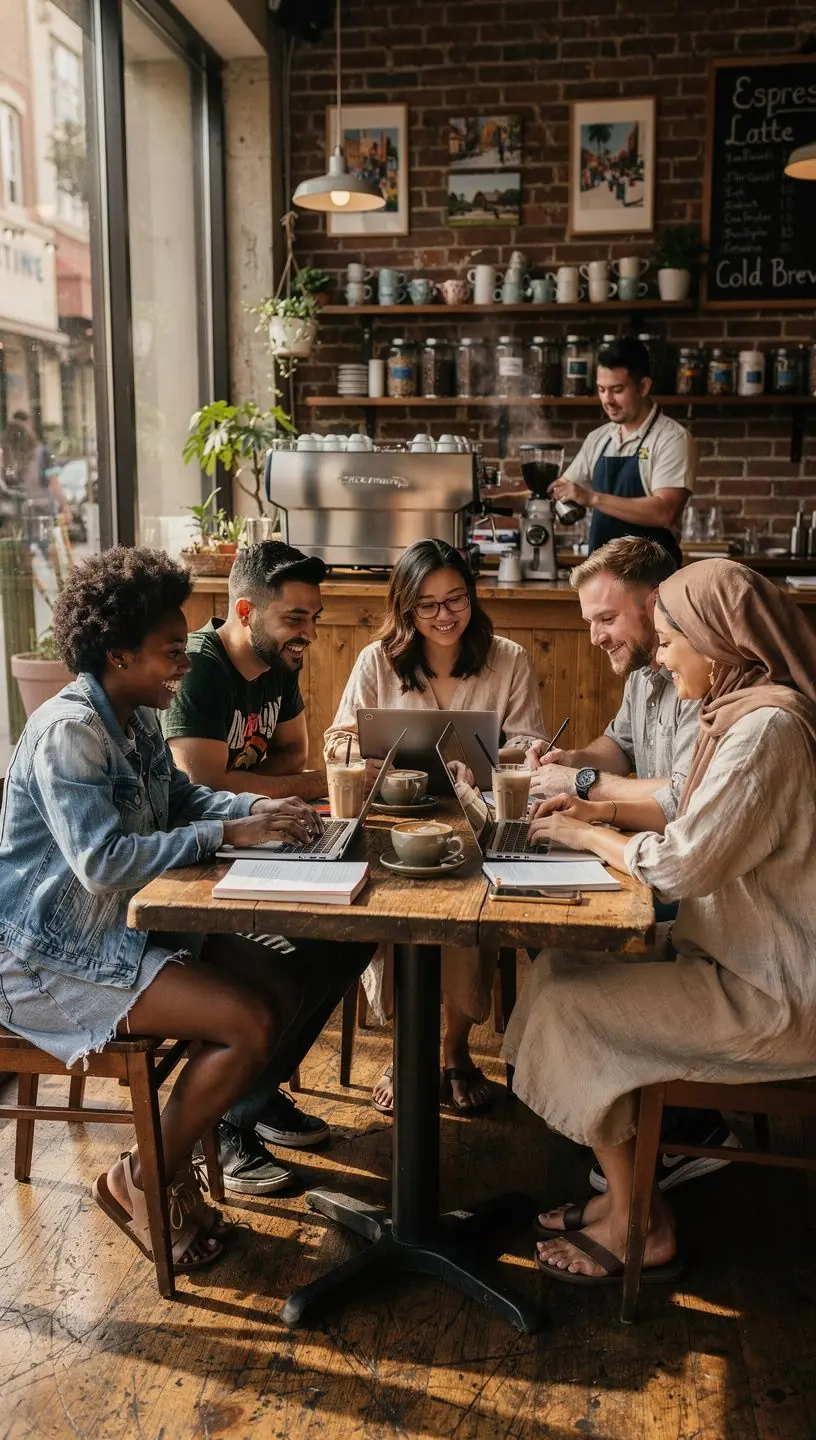
The Role of Social Media in Local Opinions
Social media has transformed the way communities express their opinions, especially regarding local services. Understanding how these platforms influence local feedback can help both consumers and service providers navigate the complexities of community sentiment.
Understanding the Basics
Social media platforms like Facebook, Twitter, and Instagram have become vital tools for sharing opinions and experiences about local services. According to research conducted by the Pew Research Center, over 70% of users rely on these platforms to gather information and reviews prior to making decisions. This trend illustrates the increasing importance of online feedback in today's decision-making processes.
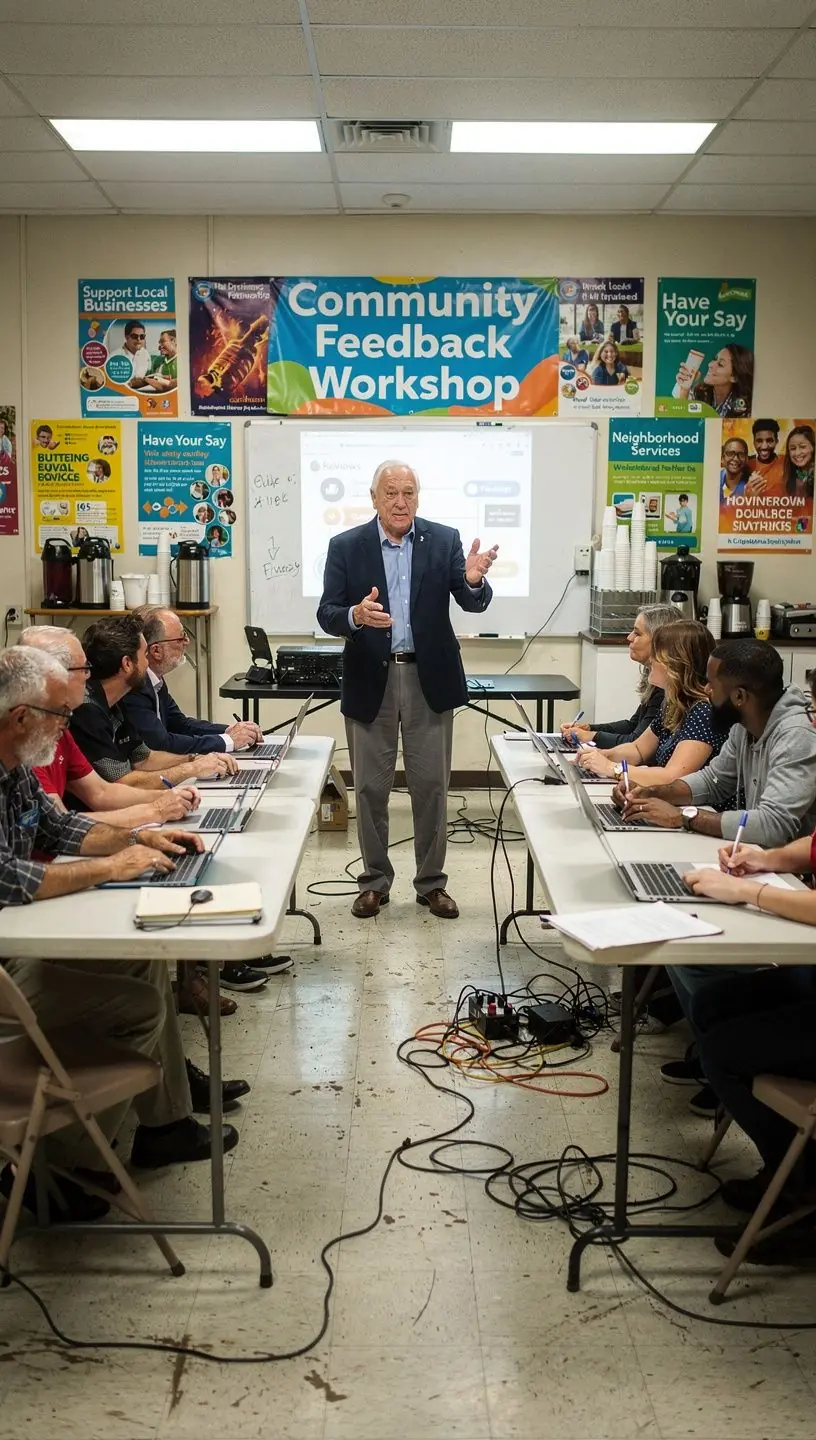
"Social media acts as a digital town square where individuals can share experiences and opinions on local businesses."
How Social Media Influences Local Opinions
The influence of social media on local opinions can be attributed to several factors:
- Accessibility: Many users report that social media provides easy access to reviews and opinions, making it simpler to assess local services.
- Immediate Feedback: Posts and comments often receive rapid responses, allowing for real-time discussions about service quality.
- Community Engagement: Social media fosters a sense of community, enabling users to validate their experiences through likes, shares, and comments.
Practical Application for Consumers
When navigating social media for local service reviews, consider these practical steps:
- Evaluate Sources: Look for feedback from verified accounts or those with a history of engaging with the community. Experts recommend considering the credibility of the reviewer.
- Cross-Reference Information: Don't rely solely on one platform. Researching multiple sources can provide a more balanced view.
- Engage with the Community: Participate in discussions about local services. Many users find that posting questions can yield valuable insights from others.
The Limitations of Social Media Feedback
While social media can be a useful tool for gathering opinions, it's essential to acknowledge its limitations:
- Subjectivity: Individual experiences can vary widely. What one user considers a great service, another might find lacking.
- Potential Bias: Some reviews may be influenced by factors unrelated to the service quality, such as personal grievances.
- Time-Consuming: Engaging with social media can require time, particularly when assessing large amounts of feedback and reviews.
Conclusion
Social media plays a significant role in shaping local opinions about services, acting as a platform for community engagement and feedback. By understanding how to effectively navigate these platforms and acknowledging their limitations, consumers can make more informed decisions. This approach not only enhances personal experiences but also encourages local businesses to respond to community needs more effectively.
Learn More